Events
We believe that progress in HIV policy, research and care depends on collaboration and shared knowledge. Our events bring together policymakers, researchers, clinicians, patient advocates, and industry leaders to exchange insights, showcase evidence, and drive concrete action at the European level.
From high-level policy discussions to expert workshops, each event is designed to advance better long-term health outcomes and quality of life for people living with HIV. Explore our upcoming and past events to see how we are shaping the HIV policy agenda across Europe.
Upcoming Events
*
Upcoming Events *
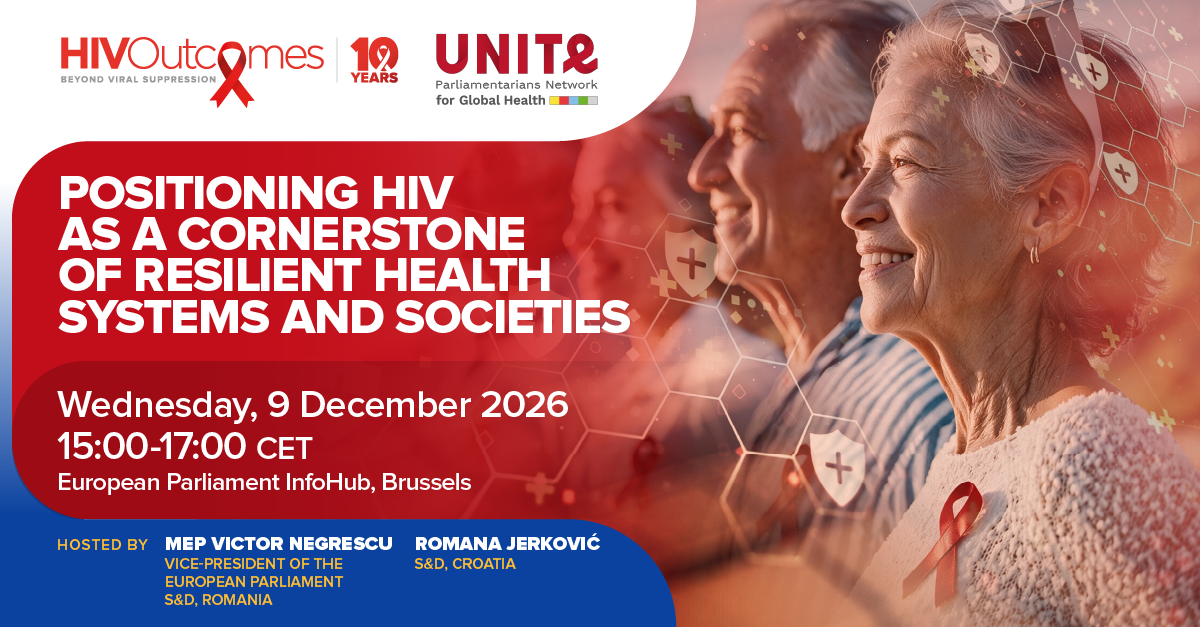
World Aids Day 2026
Past Events
*
Past Events *
Event highlights over the years
2025
10 December
HIV Outcomes at the European AIDS Conference
15-18 October
2021
HIV 40 years on: Time to focus now on health-related quality of life!
01 December
HRQoL lessons-learned from Covid-19 at IAS
20 July
Working Group on EU4Health funding opportunities for HIV projects
17 June
Roundtable on the HRQoL of people living with HIV in the UK
16 June
Workshop with UNAIDS: how to define HRQoL
24 February
Webinar - Supporting Patient‑Reported Outcome Measures (PROMs) Uptake in HIV Clinical Care
How can Patient-Reported Outcome Measures (PROMs) become part of HIV routine care?
Building on the launch of our PROMs Advocacy Toolkit, “Implementing Patient-Reported Outcome Measures for person-centred HIV care”, HIV Outcomes members, clinicians, researchers and community representatives took stock of progress in implementing PROMs in HIV clinical settings, drawing on national case studies from Sweden, Italy, the UK and the US.
On 8 October 2026, exactly one year after its in-person meeting in Brussels, HIV Outcomes’ Health-Related Quality of Life (HRQoL) Subgroup hosted a webinar on supporting the uptake of PROMs in HIV clinical care. Published in August, our Advocacy Toolkit explains what PROMs are, how they benefit people living with HIV and healthcare professionals, and which barriers must be addressed for them to support more person-centred and equitable care across Europe.
The webinar offered a rare opportunity to tackle a persistent challenge: although the European AIDS Clinical Society (EACS) has recommended PROMs since 2023, their use in routine HIV care remains the exception rather than the rule. Clinics often lack the time, resources and IT systems needed to collect PROMs and act on the results, while some clinicians remain unconvinced of their value and some patients see questionnaires as an additional burden. As a result, issues such as mental health, stigma or loneliness too often go undetected in consultations focused on viral load, leaving the needs of many people living with HIV unaddressed.
Moderated by Dr. Daniel Furby (HIV Outcomes Secretariat), the webinar brought together PROMs experts from diverse backgrounds to explore how these barriers can be overcome. To set the scene, HRQoL Subgroup Co-Chairs Prof. Caroline Sabin (University College London) and Dr. Diana Barger (Université Clermont Auvergne) opened with the evidence on what makes PROMs implementation succeed. Building on this, Prof. Giovanni Guaraldi (University of Modena and Reggio Emilia) offered a clinician’s view of how the EACS Guidelines translate into daily care. Moving from principles to practice, Prof. Lars E. Eriksson (Karolinska Institutet) and Prof. Richard Harding (King’s College London) then showed what integrating PROMs into HIV care looks like at scale, through Sweden’s national InfCare HIV registry and the Positive Outcomes programme in the UK and US. Finally, two group discussions gave participants the opportunity to further reflect on our shared advocacy objectives and on how to make the most of upcoming conferences and fora.

Across presentations and discussions, one message came through clearly: the question is no longer whether PROMs matter, but how to make them part of everyday HIV care. Participants identified seven areas where HIV Outcomes and its members, and the wider HIV community can work together to turn PROMs from a recommendation into routine practice and to ensure they are used effectively to improve the quality of life of people living with HIV.
Key takeaways and areas for action:
Demonstrate the value of PROMs in routine care: we need to continue raising awareness among clinicians, people living with HIV and community organisations, health system experts and policymakers alike that PROMs are the only systematic way to make the voices of people living with HIV heard in care.
Overcome barriers to PROMs implementation, through co-design with people living with HIV: building on our advocacy piece and upcoming publication by our co-chairs Prof. Caroline Sabin and Dr. Diana Barger to promote best practices on identifying and tailoring priority domains to the needs and workflow of both patients and clinicians, ensuring PROMs generate clinically actionable data, and implementing routine evaluation of domains.
Make PROMs truly useful in the consultation: Prof. Giovanni Guaraldi provided insight into the recognition of PROMs in the EACS Guidelines and encouraged that the HIV community capitalise on this by including patients’ treatment preferences, which translate more easily into treatment decisions than quality-of-life scores.
Adapt PROMs implementation to each care setting: Prof. Richard Harding and Caroline presented an ongoing pilot scheme to integrate PROMs in several sites in the UK and US, and shared examples of how services have adapted, such as integrating a health adviser into the care team or training nurses to use the results.
Scale up PROMs collection to the national level: Prof. Lars E. Eriksson and Åsa Mellgren gave insight into how Swedish clinicians have expanded PROMs uptake by encouraging national collection in several languages and formats, to overcome barriers posed to mobile populations.
Seize the EU’s growing interest in screening, long-term care and health management: members discussed how the HIV community can contribute its expertise to European guidance on the use of PROMs and engage directly with clinicians and health system officials, so that Europe sets out a shared vision for integrating PROMs into routine care.
Take advocacy for PROMs beyond the usual circles: translate materials into national languages, train clinicians through practical workshops, and hold interactive sessions at conferences such as next year’s AIDS Impact Conference in London.
Want to learn more about PROMs? Watch the full recording below!
-
Moderator: Dr. Daniel Furby, HIV Outcomes Secretariat
16:00: Welcome and arrivals
Part 1: How the HIV Outcomes toolkit can support advocacy on the use of PROMs in HIV clinical practice
16:05: Introduction to the webinar and its objectives: Dr. Daniel Furby, HIV Outcomes Secretariat
16:10: Progress of the work of the HRQoL Subgroup: Prof. Caroline Sabin, University College London, Co-Chair of HIV Outcomes and of the HRQoL Subgroup
16:15: Presentation of the academic piece on PROMs: Dr. Diana Barger, Université Clermont Auvergne, Co-Chair of the HRQoL Subgroup
16:20: Upcoming work of the HRQoL Subgroup and collection of best practice examples: Dr. Daniel Furby, HIV Outcomes Secretariat
16:25: EACS Guidelines and shaping the use of PROMs in HIV clinical care: Prof. Giovanni Guaraldi, University of Modena and Reggio Emilia (UNIMORE)
16:30: Group discussion: What are our collective and individual objectives for advocacy on PROMs use in HIV clinical settings?
Part 2: Case studies on PROMs integration, progress and remaining gaps
16:50: Group discussion: Leveraging advocacy opportunities, including the dissemination of the paper and upcoming conferences and fora
17:00: Case studies on PROMs implementation and data collection. With:
Prof. Lars E. Eriksson, Karolinska Institutet
Prof. Richard Harding, King’s College London
17:15: Q&A
17:25: Closing remarks

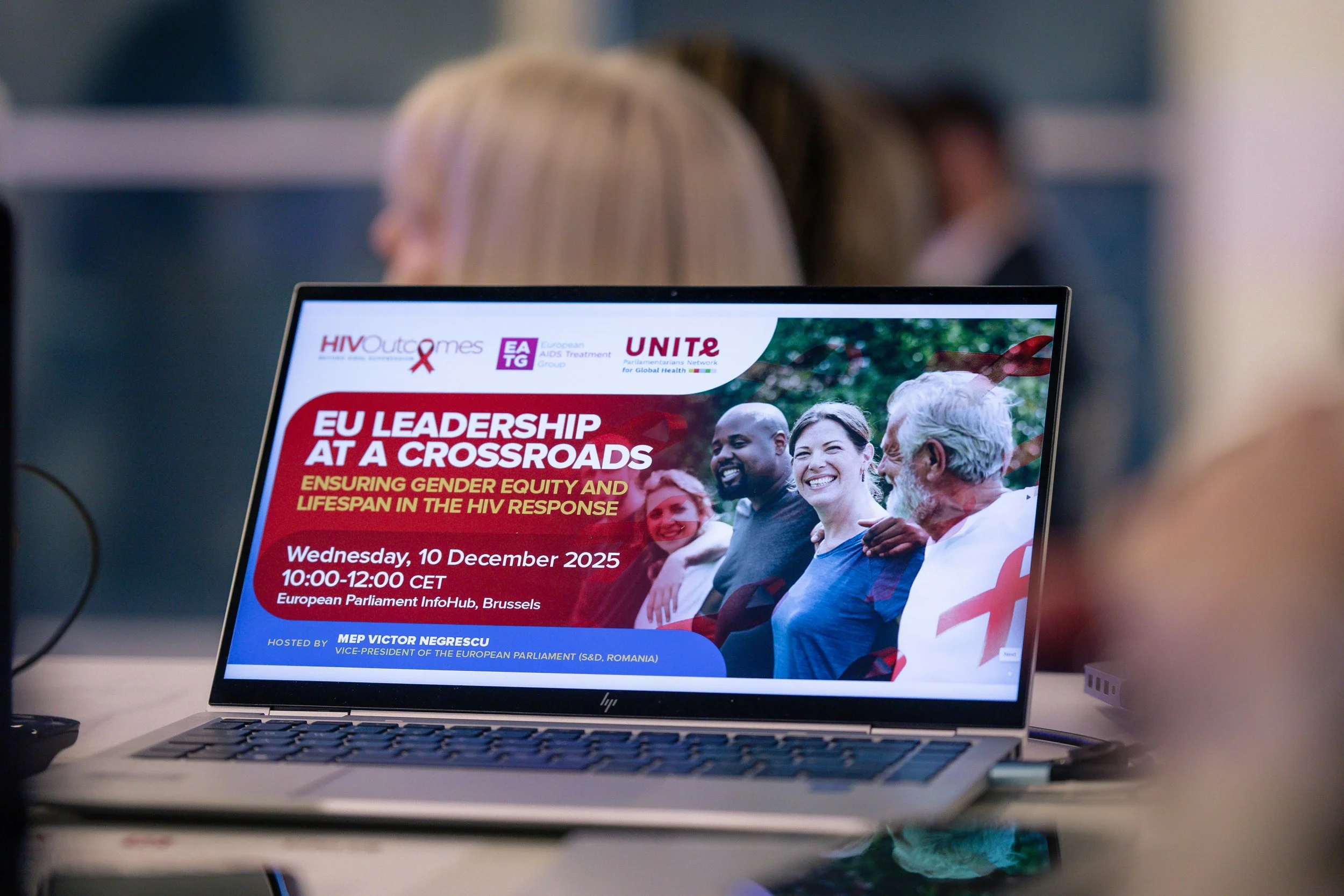
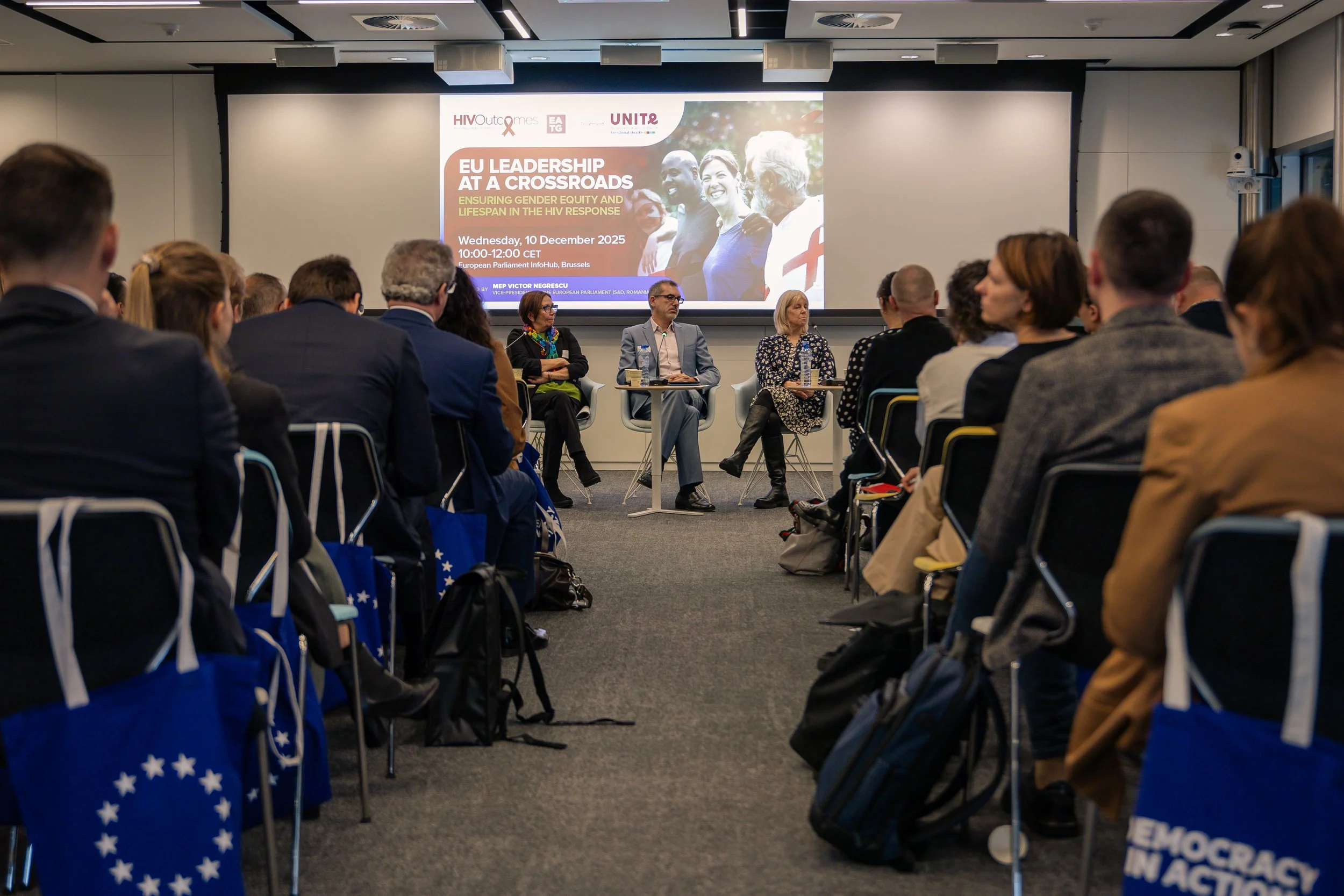
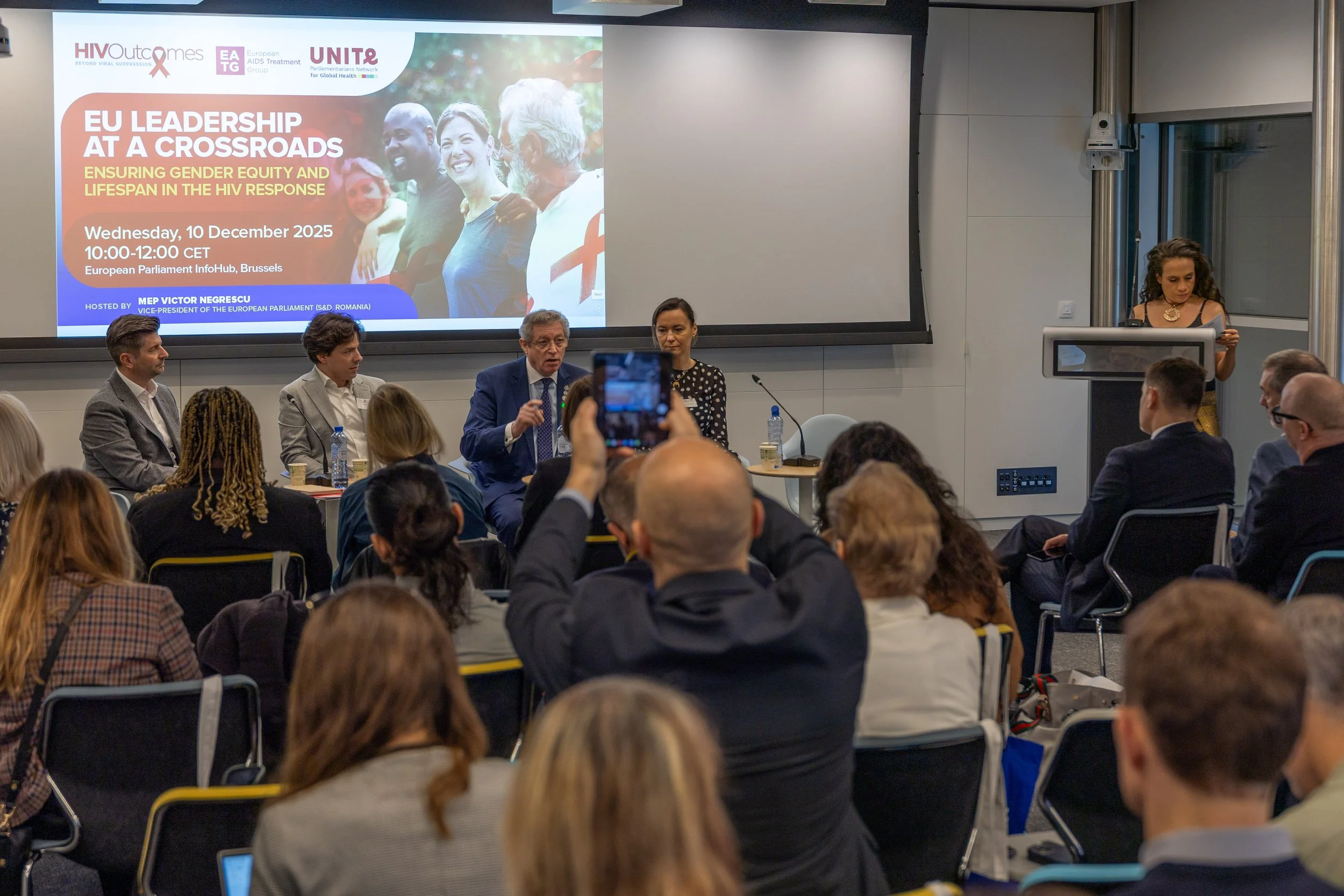
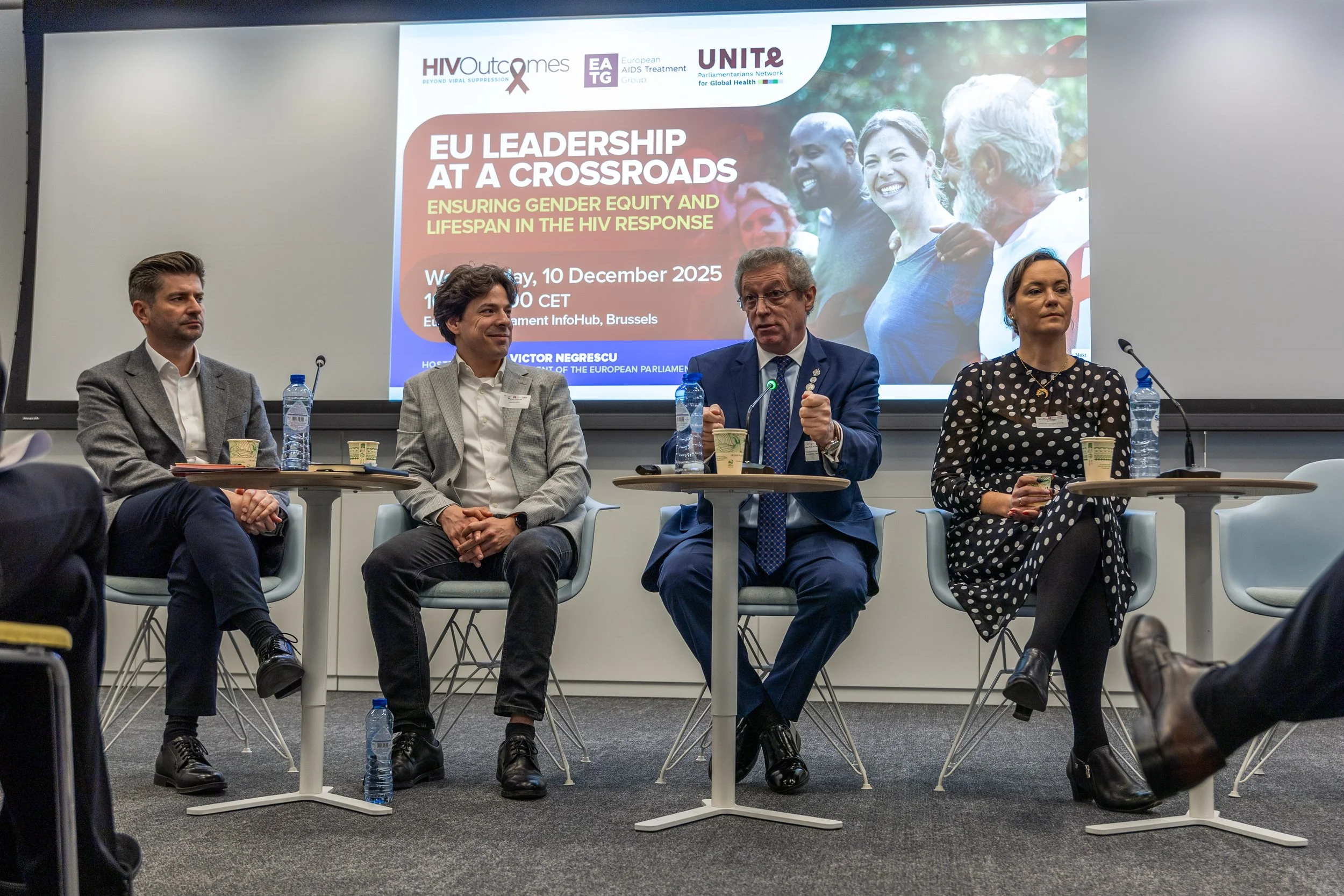
EU leadership at a crossroads: Ensuring lifespan and gender equity in the HIV response

Despite significant progress, people living with HIV continue to face persistent and evolving challenges that vary widely by gender and age.
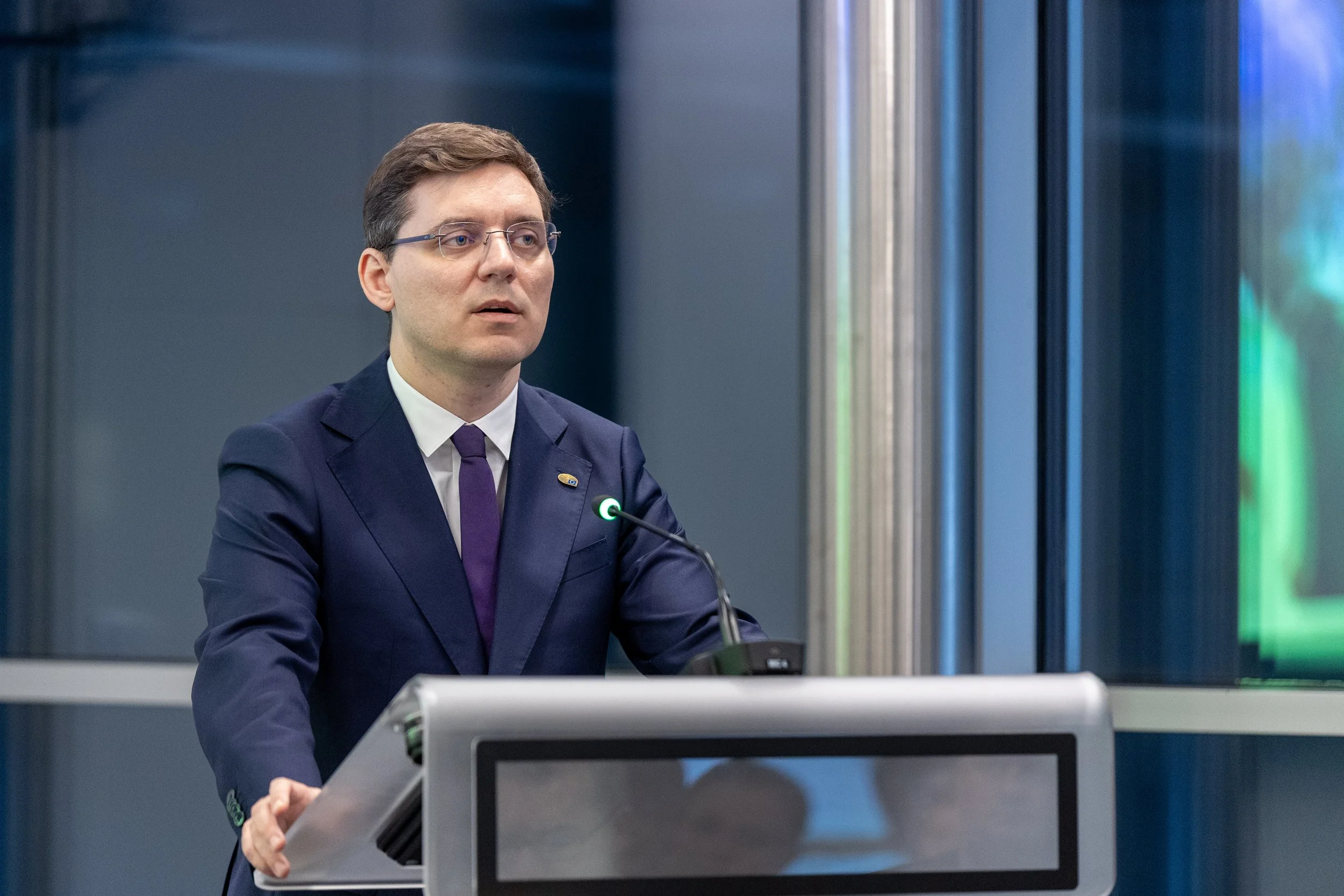
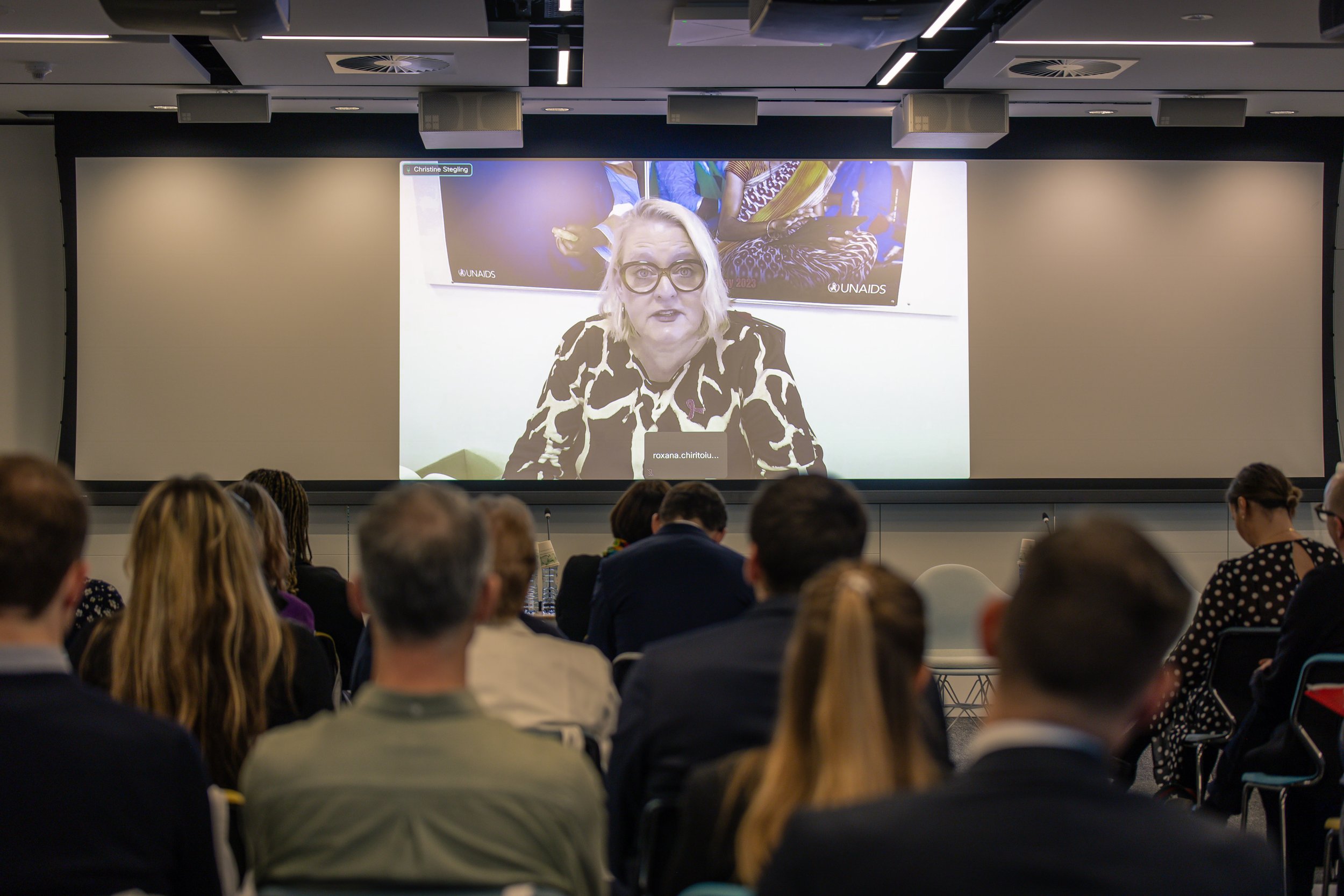
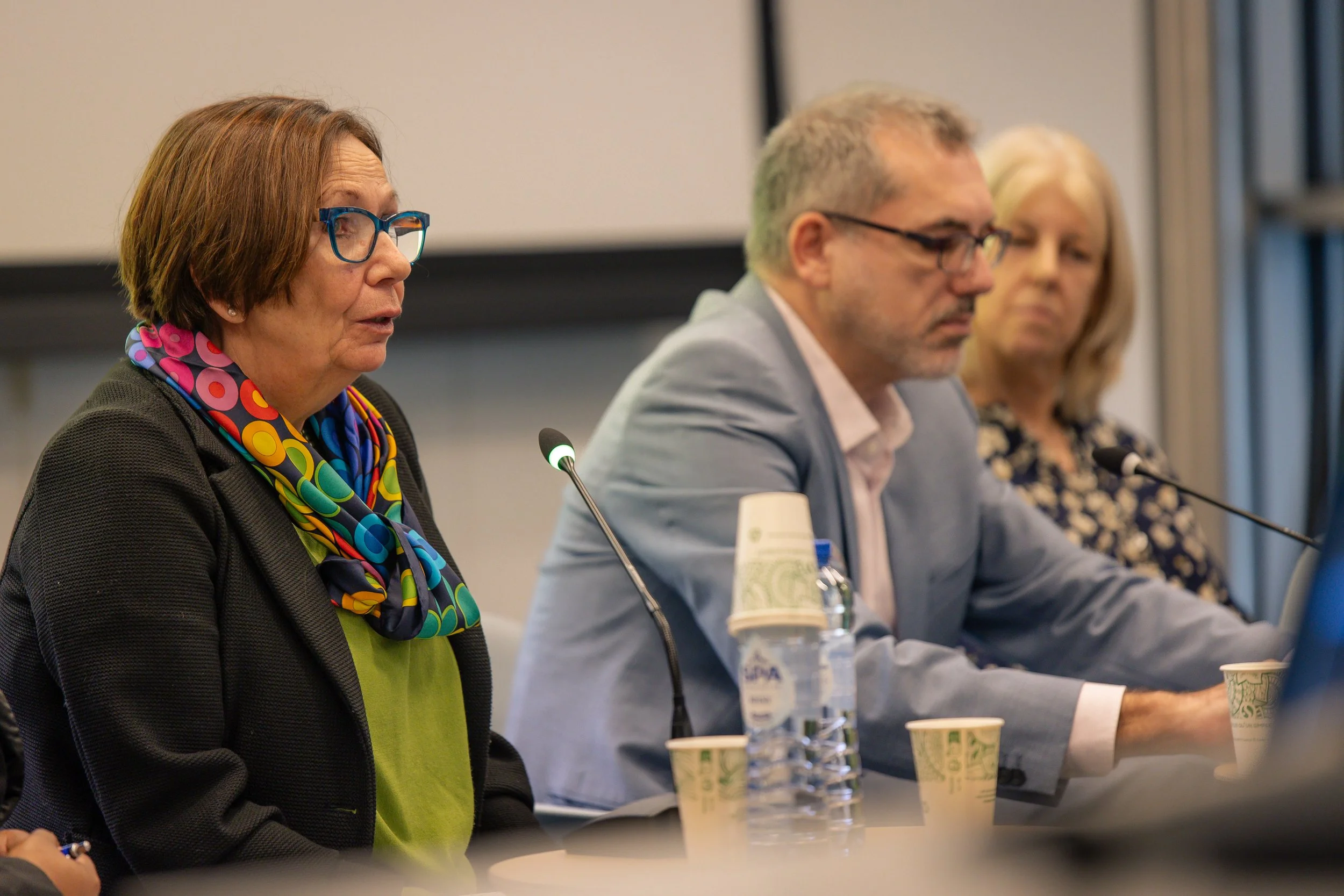
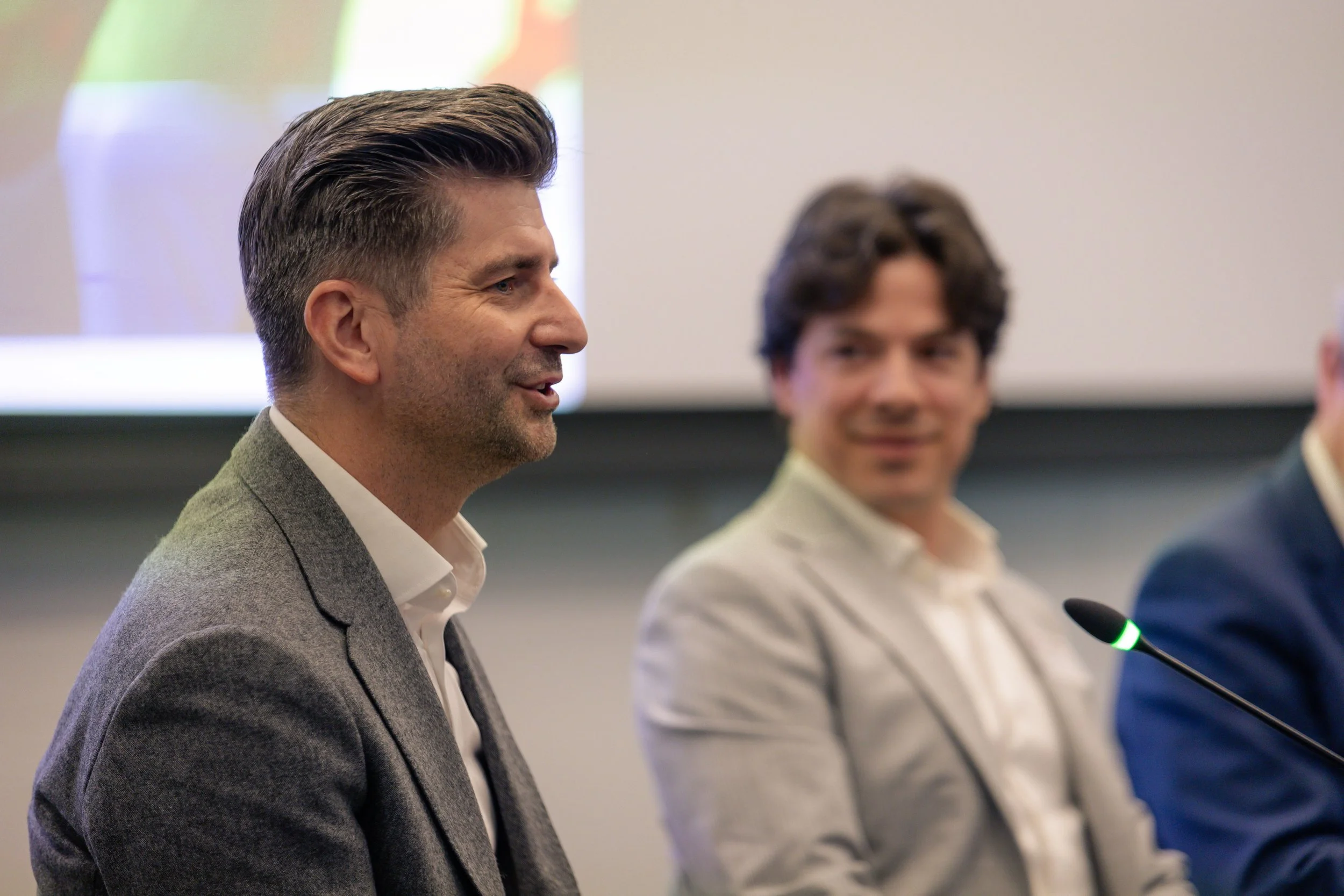
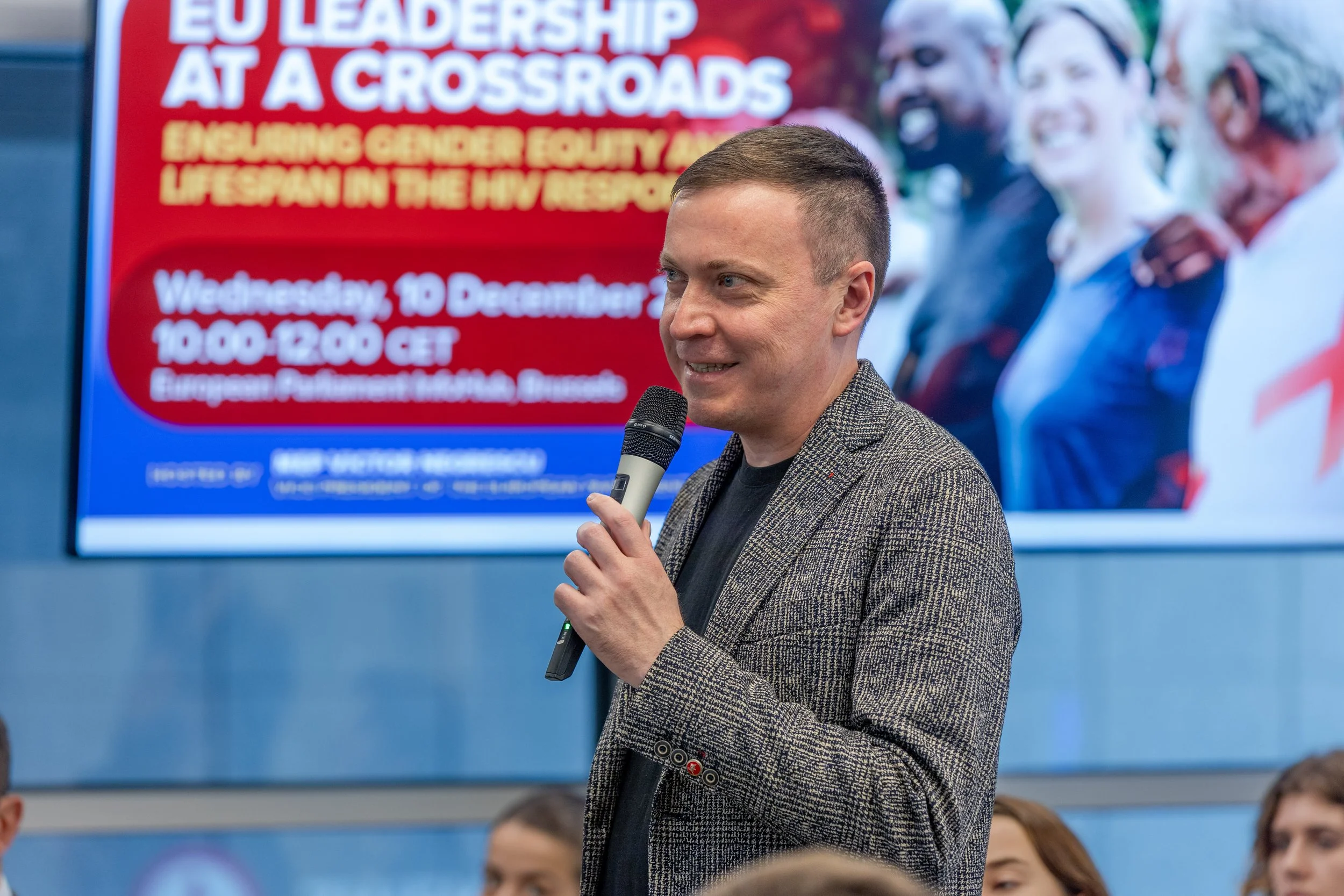
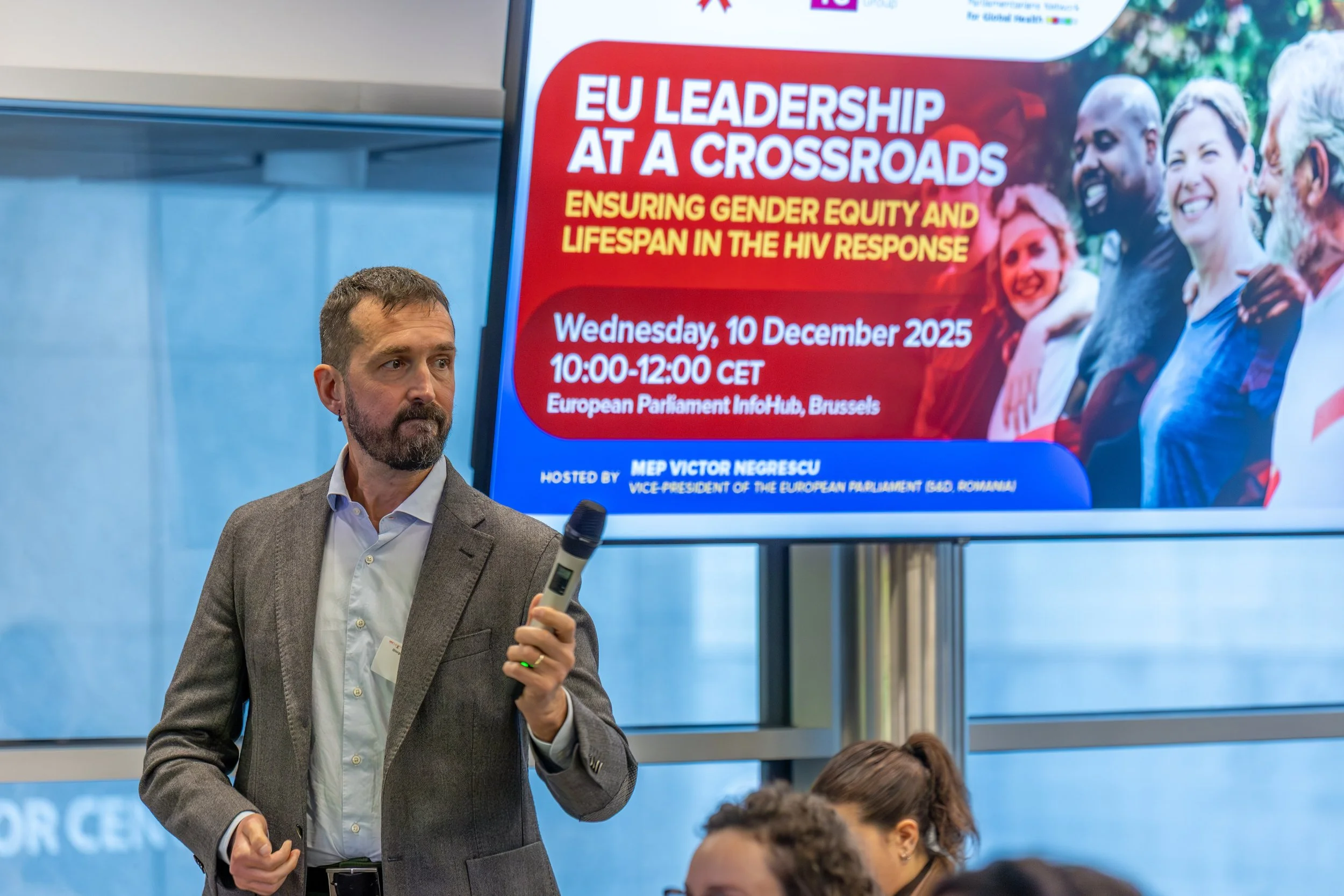
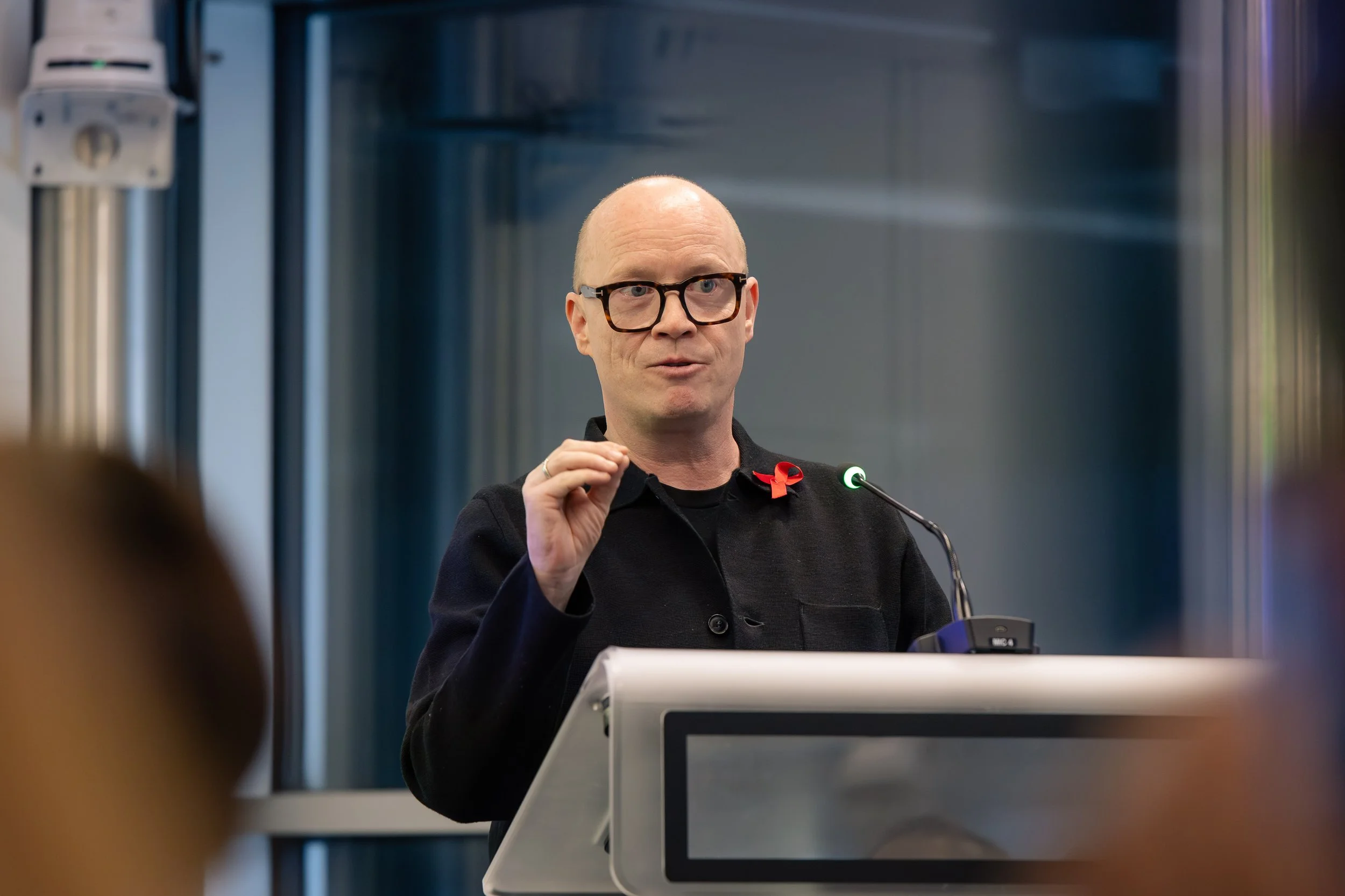
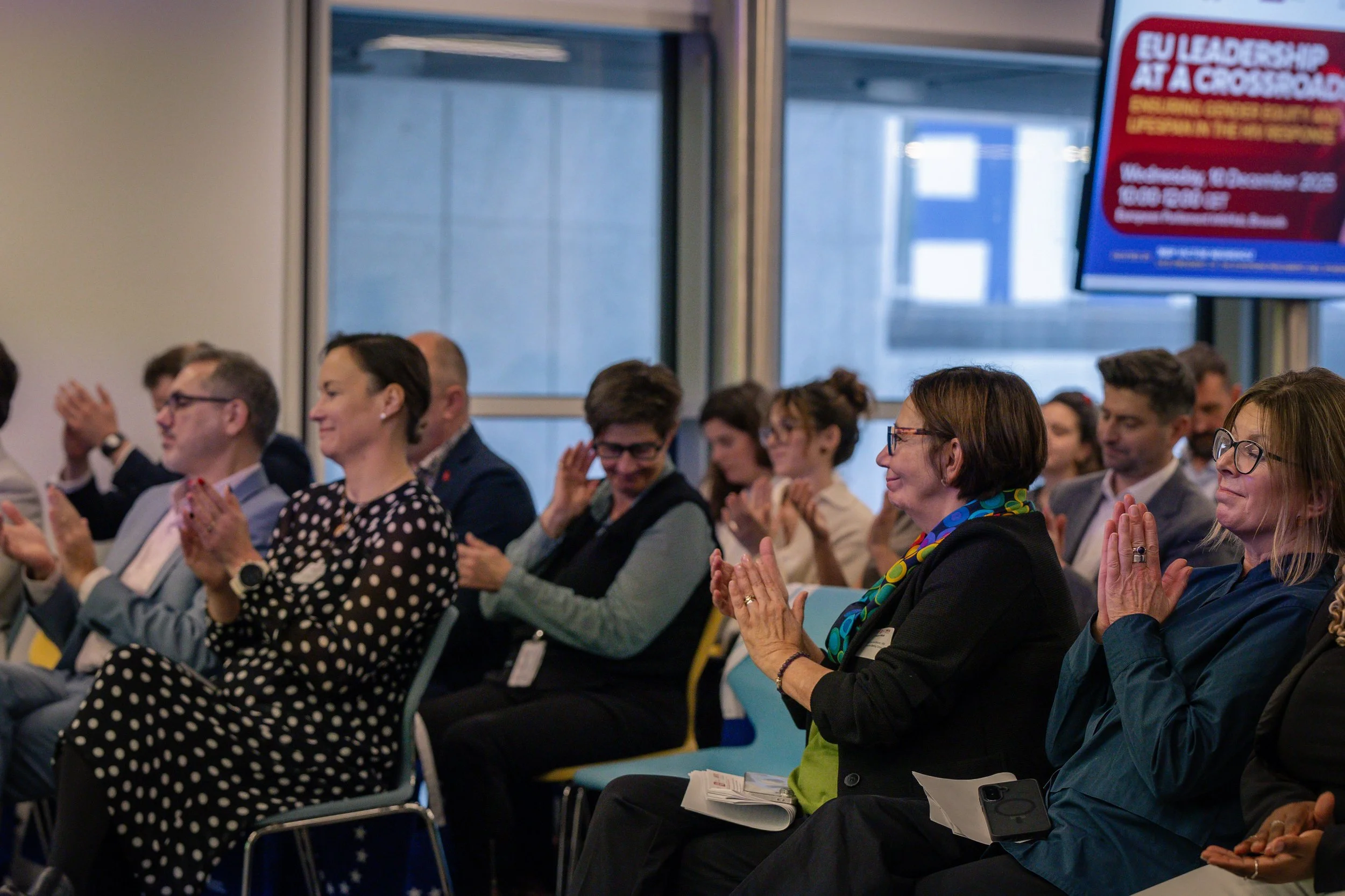
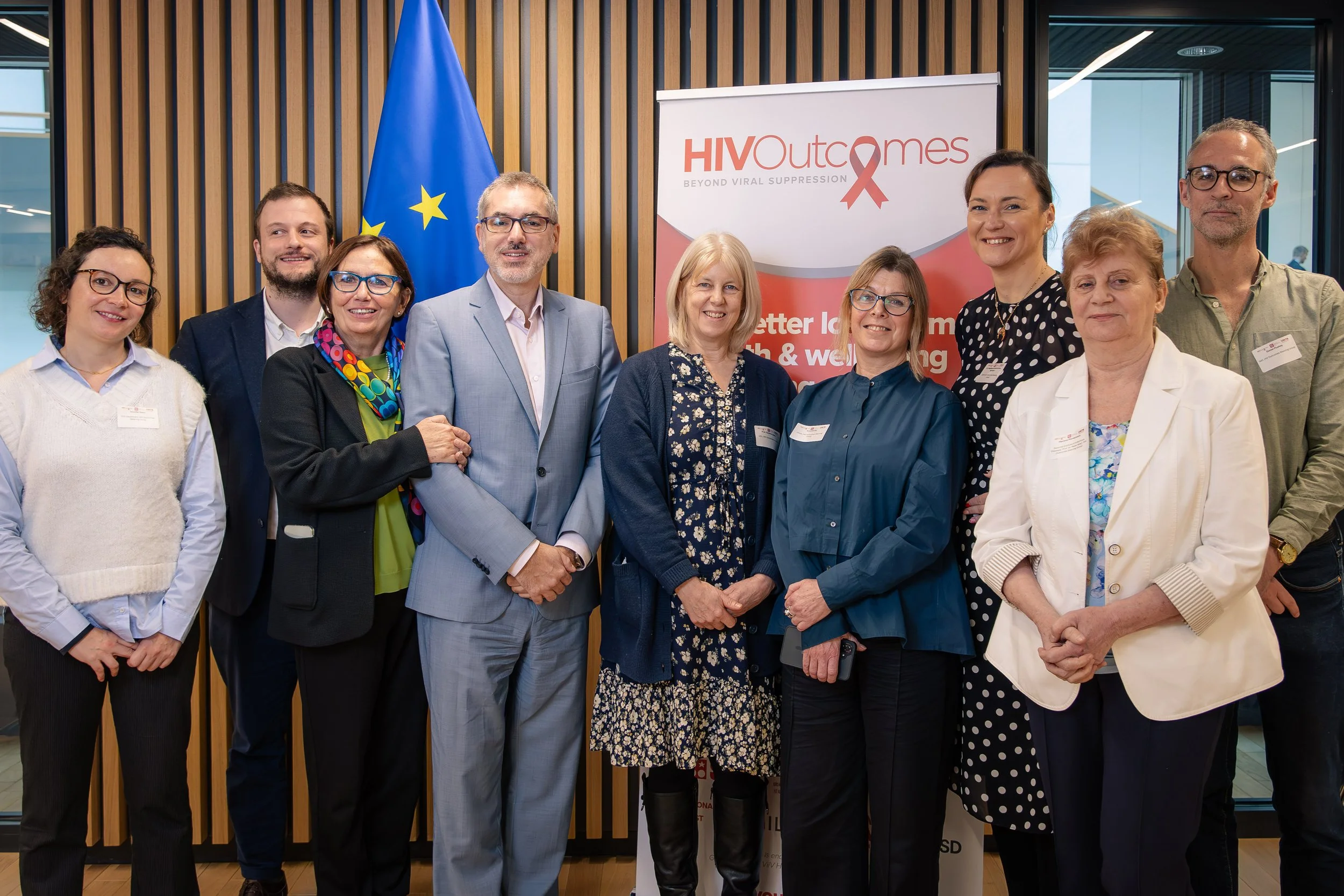
To mark World AIDS Day 2025, HIV Outcomes, together with the European AIDS Treatment Group (EATG) and the UNITE Parliamentarians Network for Global Health, organised a high-level conference in the European Parliament, Brussels.
Hosted by MEP Victor Negrescu (S&D, Romania), this event underscored the urgent need for a life-course approach to HIV care that is gender-responsive and integrates chronic disease management — recognising HIV as a long-term condition intersecting with other health issues such as cardiovascular disease, mental health conditions, and cancer. It will also emphasise the EU’s fundamental role in driving sustainable HIV policies and funding frameworks that prioritise healthy living and ageing for all people living with HIV, regardless of their age and gender.
Some of the key takeaways include:
Communities are at the core of the HIV response. They provide care and support, and have for decades filled in where healthcare systems cannot or have not. They are a cost-effective investment and indispensable. Funding must therefore be sustained for community-led organisations and for research that addresses their needs.
Care must be people-centred to ensure their needs are met appropriately. HIV and its comorbidities cannot be taken in isolation from each other, requiring for care to be integrated. Addressing mental health and social needs as part of these systems is not a nice-to-have, it is fundamental to ensure that individuals live healthy, dignified lives.
The next Multiannual Financial Framework is a crucial opening to place health, and HIV in particular, firmly on the EU agenda. HIV should be mainstreamed across policy files within and beyond health, including in the equality portfolio.
Continuing the push towards the 2030 targets is non-negotiable. HIV is far from over — there is a path forward, but it is far from certain, and it is mired in inequality and stigma. The EU must reaffirm its commitment through an EU Action Plan on HIV/AIDS.
…And more — read the report below!
-
9:45-10:00: Arrivals
10:00: Keynote speech: MEP Victor Negrescu, Vice-President of the European Parliament
10:10: Keynote speech: Christine Stegling, Deputy Executive Director, Policy, Advocacy and Knowledge, UNAIDS (tbc)
10:20: Panel I: The needs and lived experiences of people living and ageing with HIV, discussing healthcare access, stigma, and living with HIV as people of different genders and life stages. With:- Dr Nicoletta Policek, EATG Executive Director and HIV Outcomes Steering Group Member
- Emma, Chiva Young Associates Group Representative
- Mario Cascio, NPS Italia APS and HIV Outcomes Co-Chair
- Prof. Caroline Sabin, University College London and HIV Outcomes Co-Chair10:55: Panel II: Gaps in current HIV care models and identifying concrete policy actions to support integrated, person-centred care across the life course, addressing comorbidities, mental health, ageing, and gender-specific needs. With:
- Bogdan Hadarag, Representative with lived experience of HIV from Romania
- MEP Krzysztof Śmiszek (S&D, Poland), MEP Informal Working Group on HIV
- Univ. Prof. Dr Adrian Streinu Cercel, President of the Senate Healthcare Committee, Romanian Parliament
- Dr Magdalena Ankiersztejn-Bartczak, EATG Member and HIV Outcomes Steering Group Member11:30: Closing remarks: MEP Rasmus Nordqvist (Greens/EFA, Denmark), Member of the Informal Working Group on HIV/AIDS
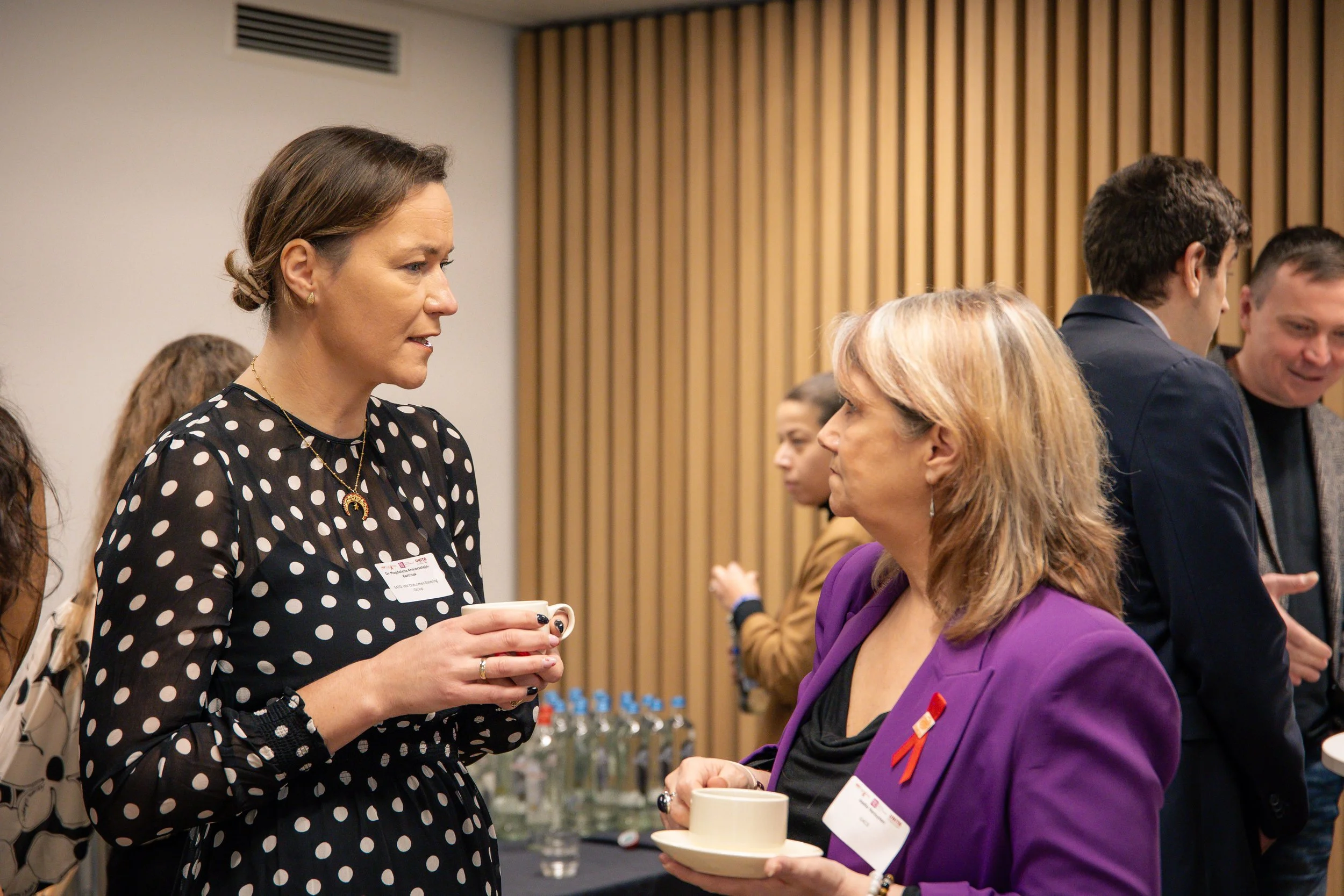
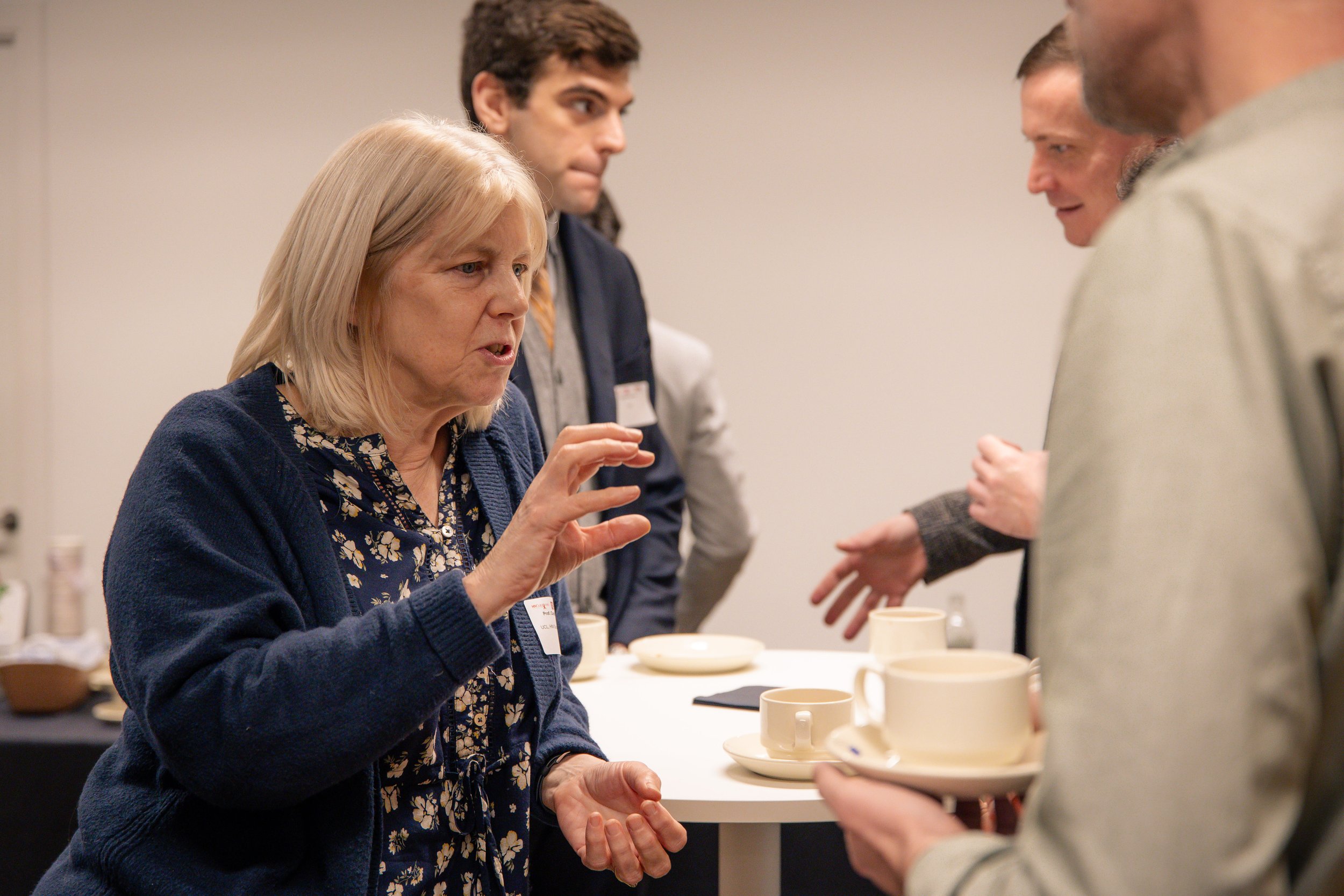
11:40: Wrapping up with a brief networking coffee for participants to exchange insights and continue informal conversations
Our partners


Observer Members


Strategic Partner