Cyprus Showcases European HIV Success Story at High-Level Roundtable — Urging EU Action on Long-Term Care and Health Resilience
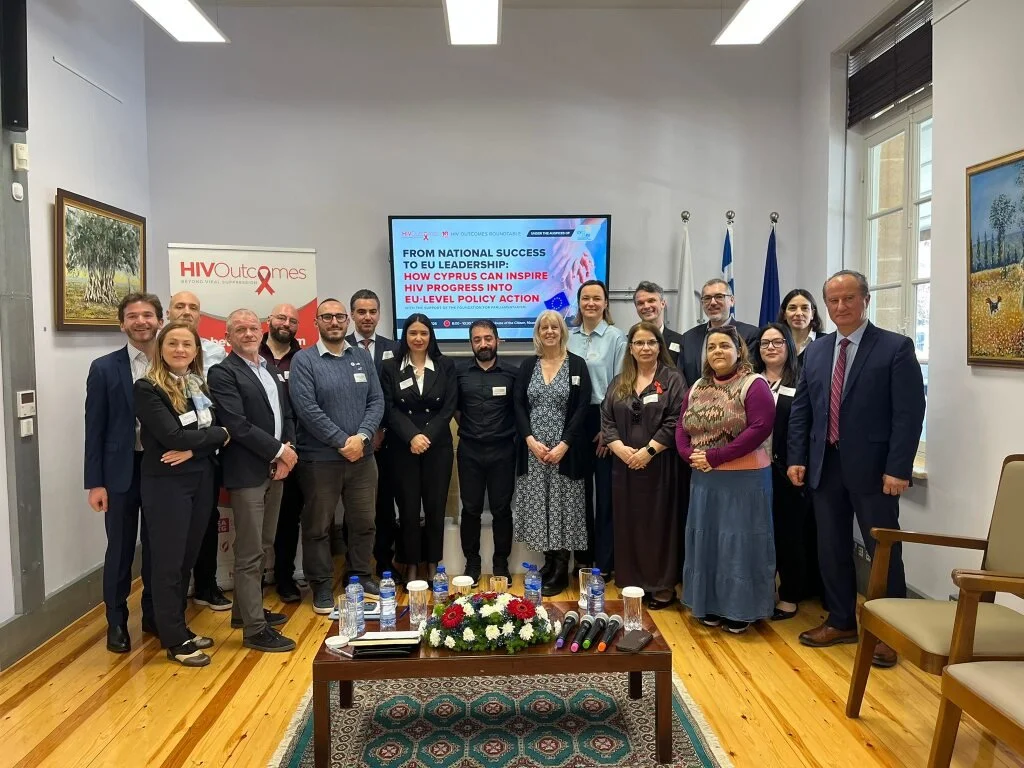
Policymakers, clinicians, patient advocates, and academics gathered in Nicosia today to examine how Cyprus — one of the first EU countries to meet and exceed UNAIDS HIV viral suppression targets — can translate its national achievements into EU-wide leadership on long-term HIV care, healthy ageing, and pandemic preparedness.
This event was held under the auspices of the 2026 Cyprus Presidency of the Council of the European Union.
Nicosia, 31 March 2026 — HIV Outcomes convened a breakfast roundtable at the House of the Citizen in Nicosia, bringing together senior health officials, parliamentarians, community leaders, epidemiologists, and patient advocates to discuss a question of growing urgency for Europe: how can HIV care success be built upon and shared, as people living with HIV age and health systems face mounting pressures?
The event, titled "From national success to EU leadership: How Cyprus can inspire HIV progress into EU-level policy action", was held under the auspices of the 2026 Cyprus Presidency of the Council of the European Union, with the support of the Foundation for Parliamentarism and Participatory Democracy of the House of Representatives. It was moderated by Prof. Caroline Sabin, Professor of Medical Statistics and Epidemiology at University College London and Co-Chair of HIV Outcomes. The roundtable underscored the invaluable opportunity to elevate HIV on the EU health agenda during Cyprus’ Council Presidency until end of June 2026, particularly given their stated priorities of long-term care and healthy ageing.
"The next HIV strategic plan for Cyprus, to be finalised in September, will move beyond clinical indicators to address the lived experience of people with HIV, including stigma — especially among women, mobile populations and young people"
— Dr. Georgios Siakallis, Gregorios Pulmonology Clinic & National HIV Focal Point, Ministry of Health of Cyprus
“Viral suppression and treatment services are an excellent step forward - but HIV care is incomplete without social support and strong cooperation with patients, clinicians and researchers"
— Savia Orphanidou MP, Vice-Chair of the Parliamentary Committee on Health
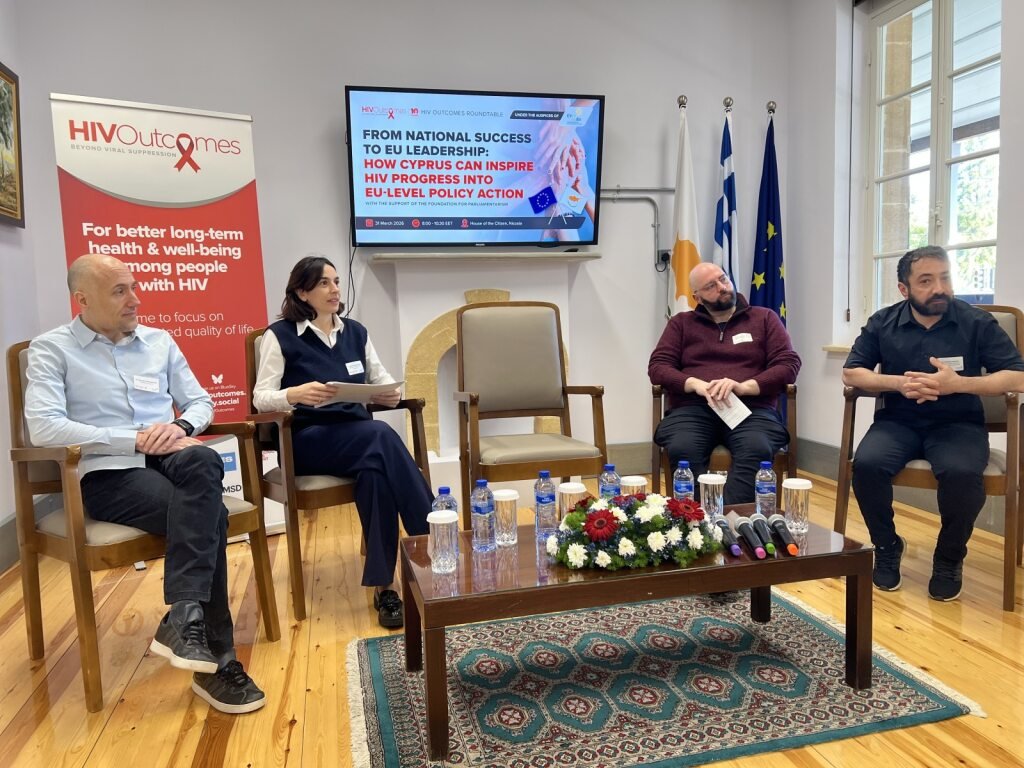
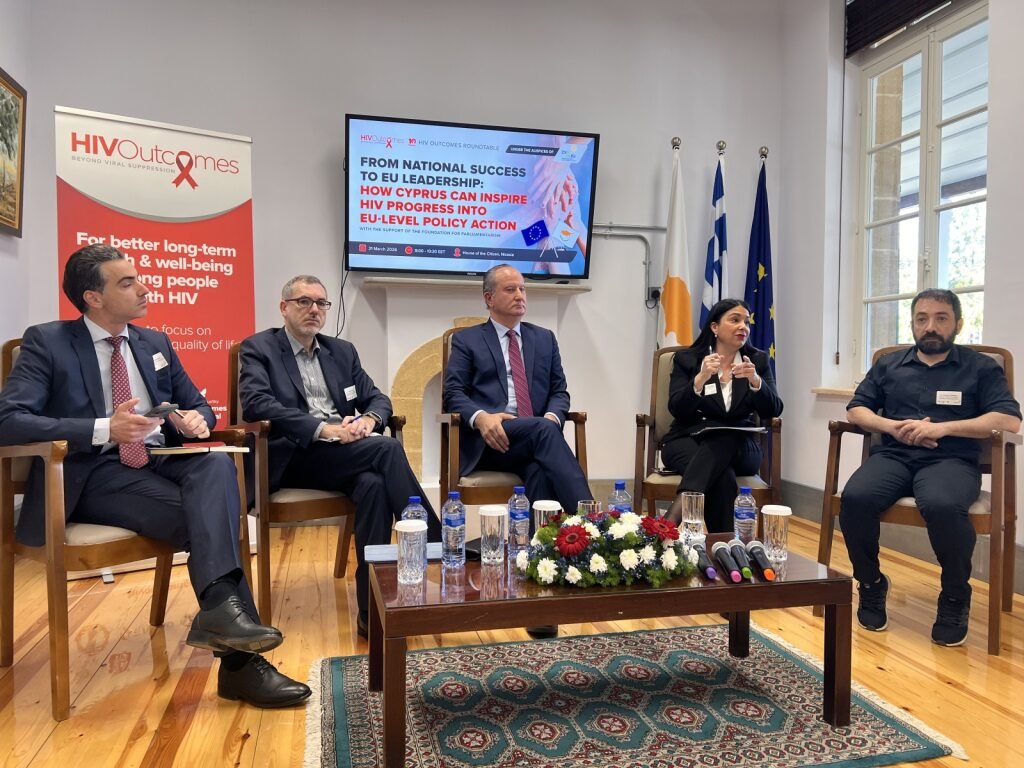
Key Calls to Action
The roundtable concluded with the following calls directed at the Cypriot Presidency and EU institutions:
Cyprus has a strategic opportunity during its EU Council Presidency to promote people‑centred, long‑term HIV care at EU level, embedding HIV lessons into health resilience and preparedness frameworks.
Cyprus’ success in achieving the UNAIDS 95‑95‑95 targets shows that well‑organised, integrated HIV care delivers results, even in resource‑constrained systems.
Protecting centralised reference HIV services and community involvement is critical to sustaining long‑term outcomes and avoiding harmful fragmentation of care.
Stigma remains a major barrier to effective HIV care, requiring action on health literacy, mental health integration, and stigma‑free healthcare environments.
HIV policy must move beyond viral suppression to focus on quality of life, ageing with HIV, comorbidities, and social determinants of health.
Strong data, transparent monitoring, and collaboration between clinicians, policymakers, researchers and communities are essential to guide policy and maintain buy‑in.