
The Lifespan Approach to HIV Care
Advances in treatment mean that HIV is now a lifelong, manageable condition, allowing people living with HIV to lead long and fulfilling lives. However, longevity alone is not enough – the challenge is now ensuring quality of life, dignity, and equitable care across every stage of life.
For more than a decade, HIV Outcomes has advocated for a lifespan approach to HIV care, recognising that people’s needs evolve from childhood and adolescence through adulthood and middle age into older age. Health systems and policies must reflect this reality in order to deliver truly personcentred care.
This message was central to HIV Outcomes’ World AIDS Day 2025 event, which highlighted the need for flexible care models that respond to different life stages, gender identities and lived realities. In particular, the discussions underlined the importance of moving beyond one‑size‑fits‑all approaches.
For many people across Europe, life with HIV begins in childhood, yet the voices of children and young people are often overlooked. As highlighted by Amanda Ely (Chiva), children and young people living with HIV need age-appropriate care, alongside psychological and social support. Ensuring continuity of care, especially during the transition from paediatric to adult services, is critical. Without it, young people risk disruption, loss of support and increased exposure to stigma, all of which can negatively affect long-term health and quality of life.
See below: a video of Amanda Ely, CEO of Chiva, explaining that children and young people often get overlooked when it comes to HIV care and that they need to be able to access the most appropriate care and care that is adapted to the transition between childhood and adulthood.
As people grow older with HIV, new challenges emerge. Compared with people living without HIV, they face a higher risk of certain cancers, cardiovascular conditions, and other non-communicable diseases, as well as mental health conditions and polypharmacy. At the same time, stigma and discrimination continue to shape experiences of care.
Women living with HIV face additional, often overlooked, challenges across the life course, linked to biological differences, gender bias in healthcare and unequal access to care. They may experience issues related to pregnancy, parenting, and caregiving responsibilities, as well as differences in the management of menopausal symptoms. Psychosocial burdens and societal roles, stigma, exposure to gender‑based violence, and lack of access to gender-sensitive services across the life course also intersect with HIV, yet remain insufficiently addressed in policy and clinical guidance and policy frameworks.
Check out the testimonials of Mario Cascio and Nicoletta Policek, long-standing advocates for the needs of people ageing with HIV and Steering Group members for HIV Outcomes:
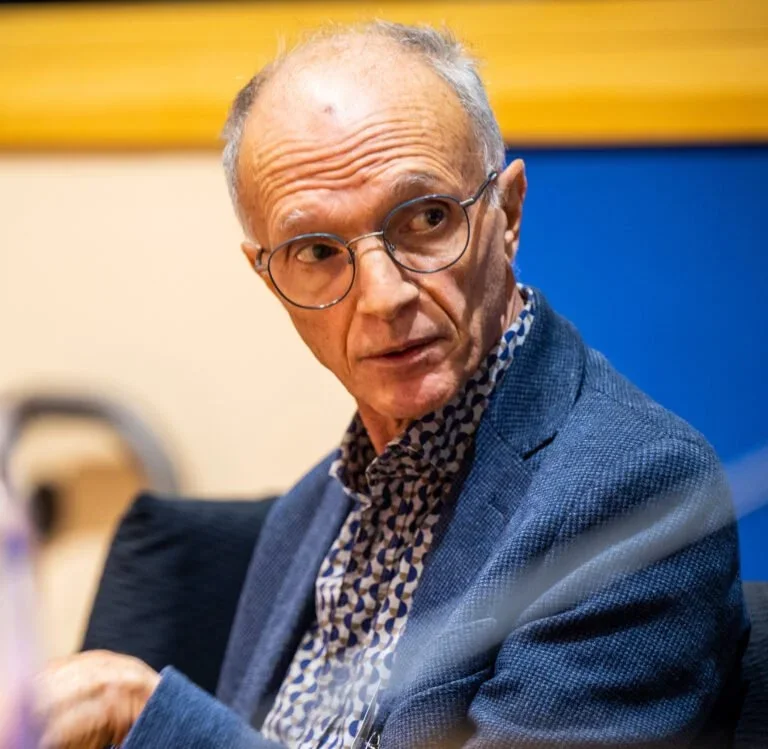
‘Forty years of living with HIV has taught me one thing: ageing with HIV is not only a clinical challenge. It’s about quality of life and dignity, and a community that truly invests in our well-being. Ageing services and HIV care can no longer operate in separate spaces. We need to ensure that people living and ageing with HIV are not only surviving, but thriving, with dignity, support, and opportunity at every stage of life.’
Mario Cascio, HIV Outcomes Co-Chair
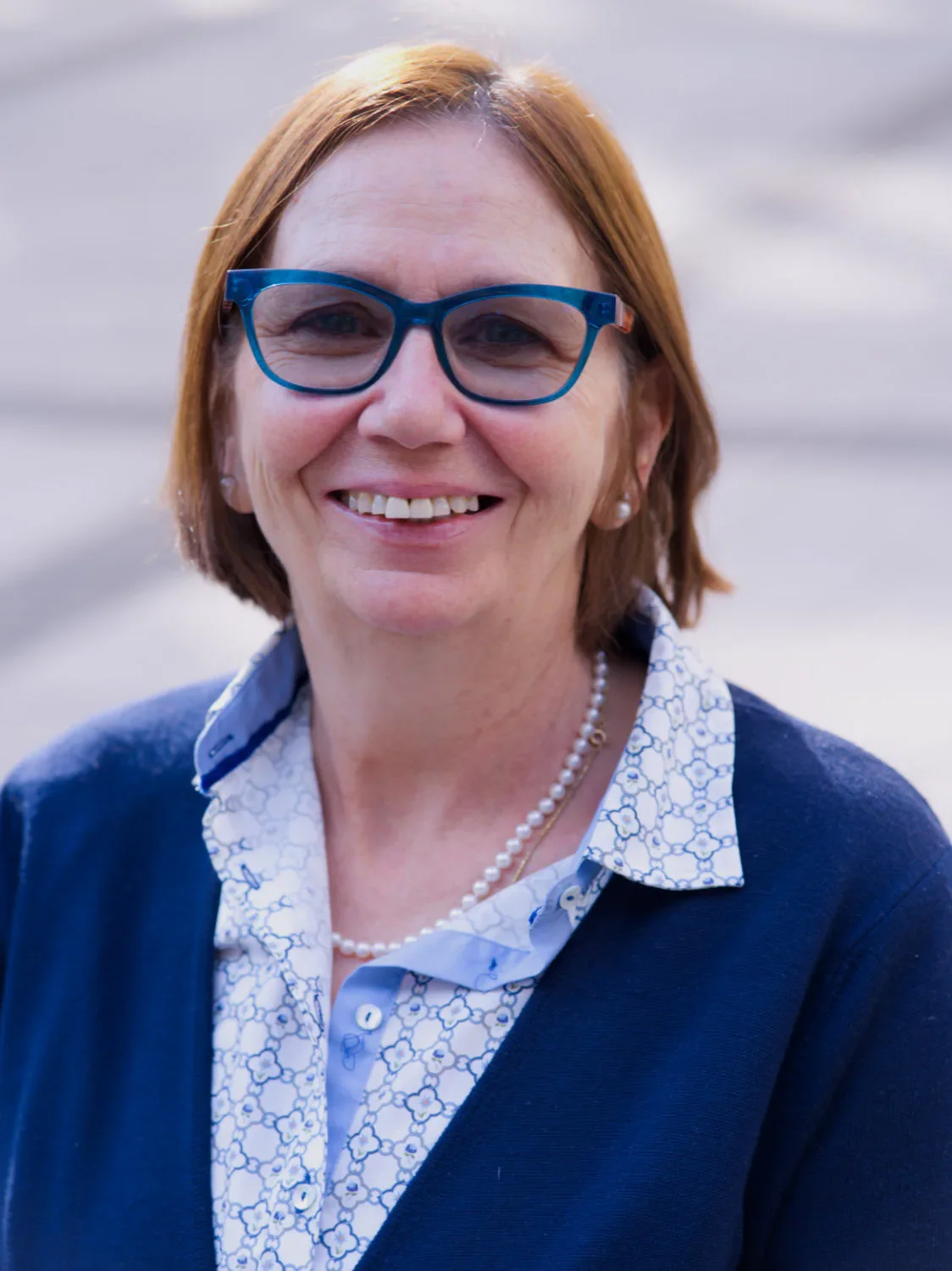
‘In the four decades I have been living with HIV, I have watched women carry this epidemic on our backs while remaining invisible in policies, research, and healthcare systems meant to serve us. We cared for the dying, raised families through stigma and poverty, and held communities together — all while our own ageing, menopause, trauma, and long-term health needs were ignored.
My survival is proof of what women do to keep each other alive when systems fail us. Women ageing with HIV are not a footnote to the epidemic; we are living evidence of extraordinary resilience and decades of structural neglect. If policymakers are serious about justice, then dignity, care, and visibility for women ageing with HIV can no longer be optional.’
Nicoletta Policek, HIV Outcomes Steering Group Member
Together, these experiences reinforce a central message of HIV Outcomes’ advocacy: health‑related quality of life (HRQoL) must be considered at every stage of life, not only at diagnosis or through narrow clinical indicators. A lifespan approach helps ensure that care remains continuous, inclusive and responsive to people’s changing realities.
These perspectives are highly relevant to ongoing EU policy debates. A future EU Action Plan on HIV/AIDS must fully reflect the realities of living, growing and ageing with HIV, ensuring continuity of care across the life course. This approach should also be embedded in broader EU frameworks, including the Intergenerational Fairness Strategy and the EU Gender Equality Strategy, to which HIV Outcomes has actively contributed.
What can you do?
Read and share the World AIDS Day 2025 report, and help amplify the importance of a lifespan- and gender‑sensitive approach to HIV care.
What is next?
A toolkit on the needs of people living with HIV in situations of vulnerability, including children and people ageing with HIV, will be published later this year.